

Storage Solutions
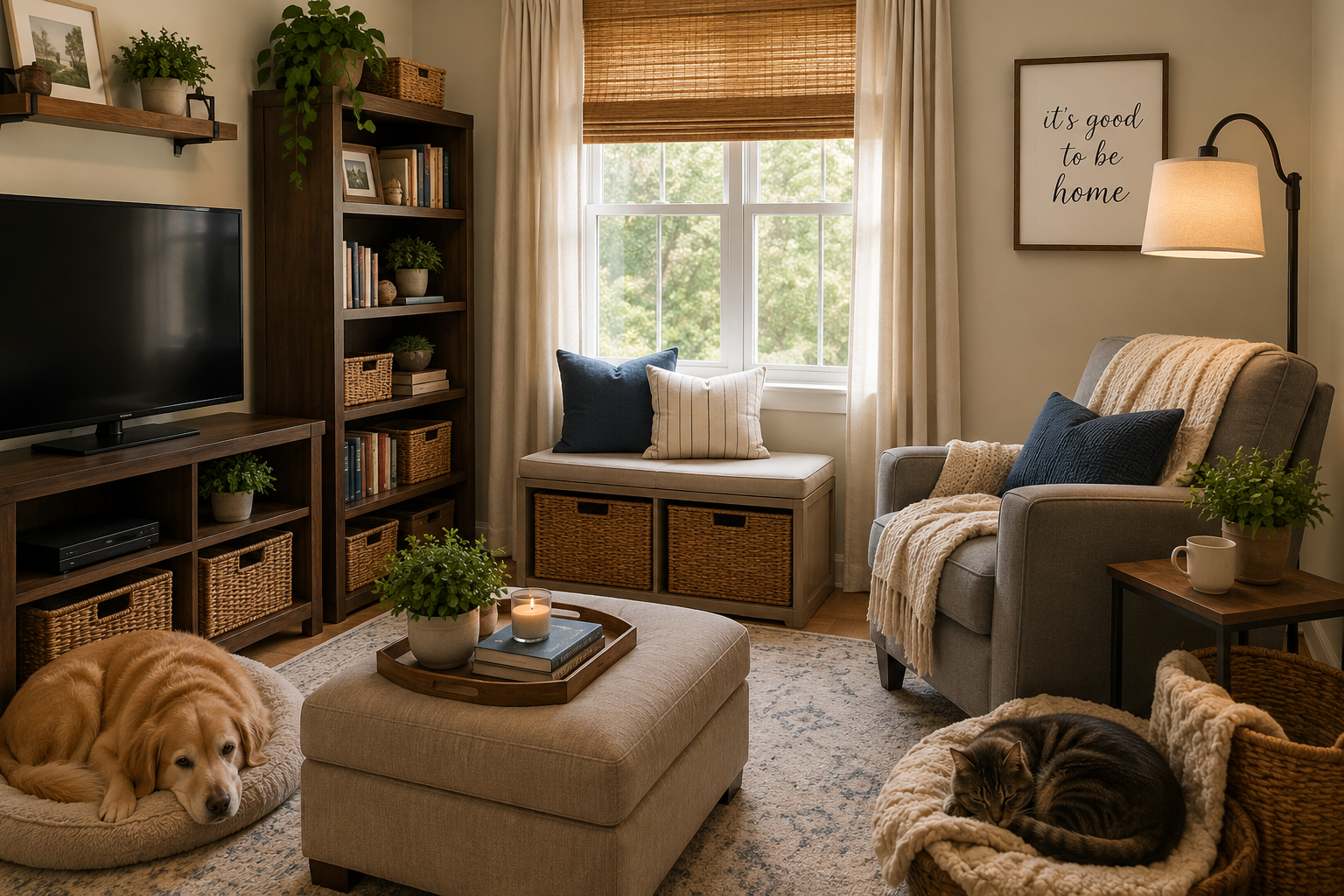
Where should I put what remains?
One of the most important questions in organizing is: "Where should I put what remains?"
This is where planning becomes essential. After deciding what to keep, the next step is determining the best place for each item. Grouping belongings into categories can make this process much easier and help create a system that is both practical and easy to maintain.
Every household is different, and there is no single standard for what deserves the most important storage space. Start by creating a list of categories for the items you know you want to keep. Then consider where those items should be stored, displayed, or accessed most often.
As you work through your belongings, you may come across items that do not fit into your original categories. When that happens, simply add a new category and decide where those items belong. The goal is not perfection but creating a thoughtful plan that helps everything have a place.
With a clear storage plan, it becomes easier to maintain an organized home, reduce clutter, and make better use of the space you already have.
Making better use of available space
Shelving
Bins and containers
Vertical storage
Multi-purpose furniture
Storage for small homes and apartments
With a clear storage plan, it becomes easier to maintain an organized home, reduce clutter, and make better use of the space you already have. The goal is not perfection but creating a thoughtful plan that helps everything have a place.
Making better use of available space
Creating additional storage does not always require purchasing new furniture, containers, or organizing systems. Before spending money, take a close look at the space you already have available. In many cases, small adjustments can create additional room while improving the overall function of a space.
Consider how larger pieces of furniture are arranged. Moving furniture to create more open floor space can often improve traffic flow while creating opportunities to use surrounding areas more effectively. A sofa table, small shelf, or storage bench placed behind existing furniture can provide additional storage without requiring significant changes to the room.
Do not overlook corners and underutilized spaces. Corners can often accommodate shelves, floor-standing storage units, small tables, or floating shelves that provide valuable storage while using minimal floor space.
As you organize, be mindful of entryways, walkways, and frequently used areas. Storage solutions should improve accessibility without creating obstacles. Maintaining clear walking paths helps create a safer and more comfortable environment for everyone in the household.
The goal is not to find more space, but to make better use of the space you already have. Thoughtful planning can often reveal storage opportunities that were previously overlooked.
Shelving
As mentioned earlier, do not overlook corners and other underutilized areas of a room. Corner spaces often provide valuable opportunities for storage without interfering with everyday movement and activities.
Shelving can be an effective way to make use of these areas while helping keep items organized and accessible. Whether used for books, decorative pieces, family photos, plants, or household essentials, shelves can create additional storage while enhancing the appearance of a space.
In addition to storage, shelving can help create a sense of comfort and order. Items placed on shelves are often easier to find, display, and maintain. Shelving can also help keep belongings off the floor and out of high-traffic areas, reducing clutter and creating a more open environment.
The goal is not simply to add storage, but to create a space that is both functional and inviting. Thoughtfully placed shelving can provide practical organization while contributing to the overall comfort and appeal of a room.
Multi-purpose furniture
As mentioned earlier, storage chests are an excellent example of multi-purpose furniture. A chest can provide valuable storage while also serving as additional seating. Pieces that perform more than one function can help reduce clutter while making better use of available space.
When planning storage solutions, consider how existing furniture can meet multiple needs before purchasing additional pieces. The goal is to maximize the usefulness of the space you already have while avoiding unnecessary expenses.
Examples of multi-purpose furniture include:
Storage ottomans
Storage benches
Coffee tables with built-in storage
Bed frames with drawers
Storage chests that double as seating
These types of furnishings can help keep belongings organized while reducing the need for additional storage units. They can also improve the functionality of a room without increasing the amount of furniture it contains.
As you organize, try to keep similar items stored together whenever possible. Grouping related items in the same storage area can make them easier to find, maintain, and return after use. This simple habit helps create a sense of order and supports the overall storage plan for your home.
The goal is not to fill a room with more furniture, but to choose furnishings that serve multiple purposes while supporting organization, comfort, and everyday living.
Vertical storage
Vertical storage is one of the most effective ways to make better use of available space. By using the height of a room rather than relying solely on floor space, it is possible to increase storage while keeping areas open and accessible.
As useful as vertical storage can be, it is important to keep it organized. The purpose of storage is to reduce clutter, not create new places for clutter to accumulate. Whether a storage unit has doors or open shelving, regular review and organization can help prevent items from being forgotten or unnecessarily stored.
Vertical storage units can serve many purposes. They can be used to store seasonal items, organize projects, display decorative pieces, or keep certain belongings out of reach for safety reasons. Their flexibility makes them useful in living spaces, garages, offices, bedrooms, and other areas throughout the home.
Some vertical storage solutions are designed primarily for concealed storage and include doors or cabinets. Others feature open shelving that can be used for books, plants, decorative items, or frequently used household essentials. Both styles can be effective depending on the needs of the space.
When planning a storage solution, consider how the storage will be used and how often the items will need to be accessed. Choosing the right type of vertical storage can help create a space that is both organized and functional.
The goal is not simply to store more items, but to use vertical space in a way that supports organization, accessibility, and the overall comfort of your home.
Bins and containers
Bins and containers can be useful storage tools, but it is important not to rely on them as the solution for every organizing challenge. Over time, it is easy to accumulate more bins and containers than necessary, creating additional clutter and making it harder to see and access the items you need.
Before purchasing new containers, consider how the space can be used more effectively with what you already have. The goal is not to fill a room with storage products, but to create an organized system that supports your daily needs.
On the creative side, bins and containers can contribute to the appearance and function of a room when chosen thoughtfully. Storage chests, baskets, decorative boxes, and similar items can provide concealed storage while blending into the décor. A sturdy storage chest, for example, can serve as both seating and storage, adding multiple functions to a single piece.
Measuring your available space before selecting containers can help ensure they fit properly and make the best use of the area. Containers placed under benches, tables, and seating can provide convenient storage without taking up additional floor space. Some containers can also support lamps, decorative items, or other household necessities while keeping belongings organized and out of sight.
The goal is not to own more bins and containers, but to use them thoughtfully to create storage that is practical, attractive, and suited to the space you already have.
Storage for small homes and apartments
Storage becomes especially important in small homes and apartments where every square foot matters. Limited space often requires more thoughtful planning, careful measurements, and a clear understanding of how each area will be used.
Before selecting storage solutions, take time to measure the space you are working with. Understanding the dimensions of a room, closet, corner, or storage area can help ensure that shelves, furniture, and containers fit properly while supporting your organizational goals.
In smaller spaces, the size of the storage solution, its purpose, and its location are all important considerations. A storage solution should support your daily needs without limiting movement, comfort, or accessibility. Making the most of available space often requires balancing storage with the ability to comfortably live and move throughout the home.
Planning is one of the most valuable tools for organizing a small space. Consider sketching your ideas on paper before rearranging furniture or purchasing storage products. You do not need to be an architect. A simple drawing can help you visualize the space, identify potential storage opportunities, and determine what will work best for your needs.
The goal is not to fill every available space with storage, but to create a home that feels comfortable, functional, and organized. Thoughtful planning can help even the smallest spaces support the way you live every day.
You may also find this helpful
Before spending money, take a careful look at what you already own.