

Garage and Organization
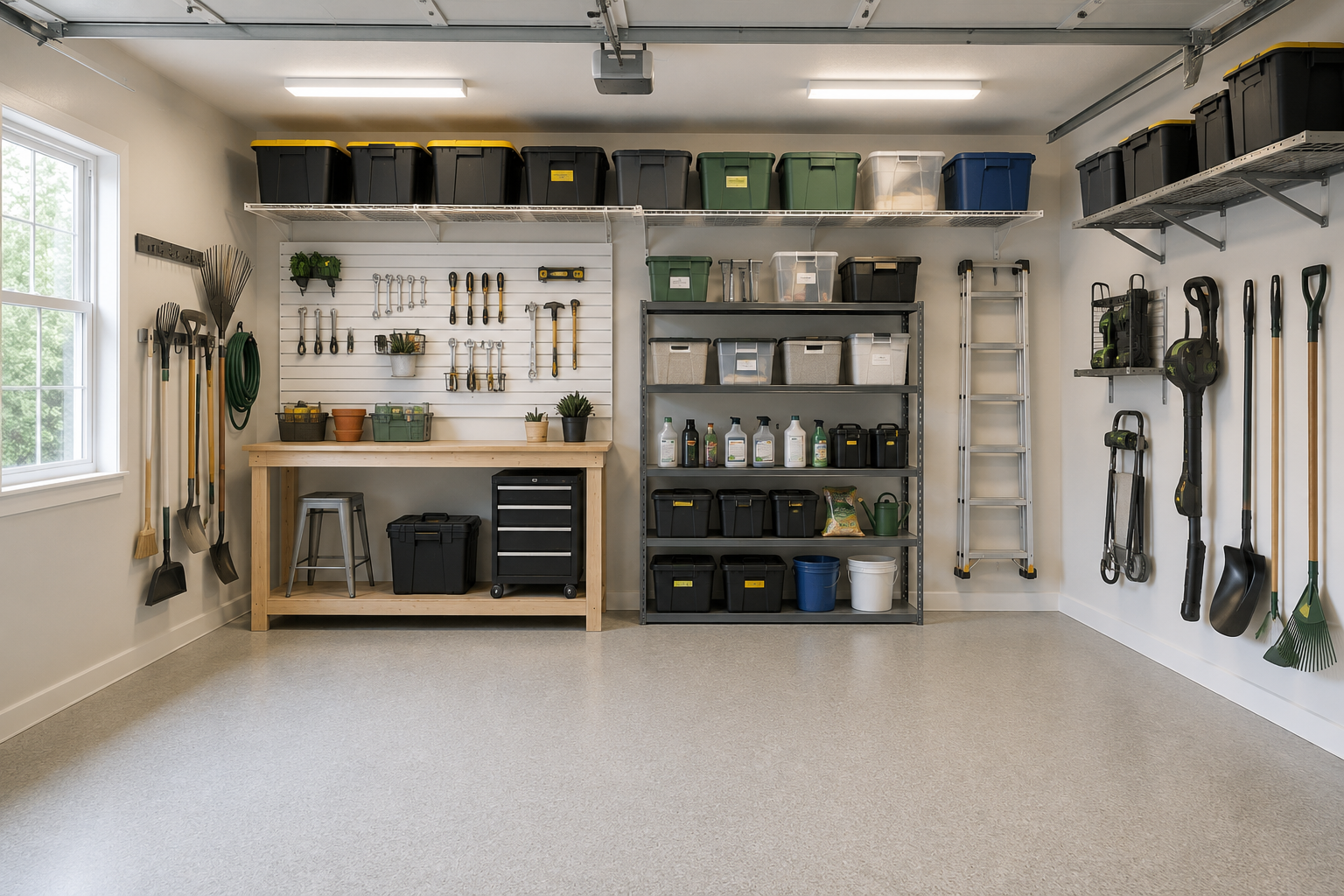
The garage is a space that can often become the place it there and deal with it later space. But before it is notice mountains of stuff is facing you with a need for immediate attention. Comfort Ideals suggest ways to handle this task. Organizing a garage isn’t the same as organizing a room within the home. The items tend to be heavy, greasier, and bulky. I suggest keep in mind safety above any plans. There are suggestions put forth to guide you in this task.
Separating from Things You Don't Really Need
The challenge is not simply finding more room. The goal is to create a space that is safe, functional, and easy to use. With a thoughtful plan, practical storage solutions, and a willingness to evaluate what is truly needed, a garage can become an organized extension of the home rather than a place where clutter continues to grow.
The suggestions below are designed to help you create a garage that works for your everyday needs while making better use of the space you already have.
1. Start with Function
Ask:
Do I need this on a regular bases?
Does it serve a purpose now and future?
Is it taking up space needed?
Tackling a space such as a garage can be over whelming. The easiest approach is to create a plan and work in sections. Plan around your needs and approach with the goals of not becoming over whelm and frustrated. Divide the garage into manageable sections and focus on one area at a time.. Clear according to the plan you set forth. In clearing this space organize in placements. Placing your tools and item in categories: keeps, donate, give to others and trash.
Dispose of unwanted items according to local disposal guidelines and regulations.
Before deciding whether a piece should stay or go, consider how often it is actually used. Every item stored in a garage should have a designated purpose and location. When frequently used tools, seasonal items, and household supplies can be found easily, the space becomes safer and more efficient to use. An organized garage improves accessibility, safety, storage efficiency, and the ability to find items when they are needed.
Create Zones for Storage
Group similar items together so they are easier to find and return after use. Consider creating dedicated areas for:
Gardening supplies
Automotive items
Sports equipment
Seasonal decorations
Household overflow storage
When items have a designated location, the garage becomes easier to maintain and far less frustrating to use.
Once items have been sorted into storage zones, the next step is making the best use of the available space.
Cabinets that stores items may be taking up valuable space that could be used more effectively. This does not mean everything must be removed, but consider shelves that sits higher than taking up floor space.
2. The Challenge of not wanting to part with items
Kids toys
Forgotten gifts and tools of others (return them)
Furniture
The question becomes:
Can I really live without these items?
By taking this on with a plan and working in sections give room for rethinking decisions made in the process of organizing.
The question is not whether the tools and items are important, but it is whether every item need to remain in the garage space. Some items may be better stored in another part of the home, placed in long-term storage, or passed along to someone who can use them now. In many cases, there are practical alternatives. One alternative is storage until more space is available or the need for the item arises. The goal is to organize the garage without allowing the clearing of the space to become overwhelming.
3. Use Wall and Overhead Space Wisely
That would naturally lead into:
shelving
pegboards
hooks
ceiling-mounted storage
Using shelving for out of reach items that can be costly of accidentally used by an individual that is unaware of the consequences of use. The items and tools that should be kept out of reach.
The pegboard is a go to when items of small to medium sizes need to be put in a safe place until it needed.
Hooks come in handy when medium size tools and items need to be kept out foot traffic for safety reasons.
The ceiling-mounted storage comes in different designs. There are at least 3 types. There the stable mounted racks, the pulley system design and the motorized design.
Fixed ceiling racks work well for long-term storage of seasonal items.
Pulley systems make it easier to raise and lower heavier items.
Motorized systems provide convenient access but usually cost more than other options.
The prices very between each design. The space to work out has to be taken into consideration. If the garage door tract levels little space to place a ceiling-mounted storage the design is determined by that space available on the ceiling. The expense has to be a determinant also.
4. Keep the Garage Organized Long-Term
Suggestions:
Return tools after each use.
Label storage bins.
Review stored items once or twice a year.
Remove broken or unused items promptly.
Keep walkways and exits clear.
A garage can return to clutter surprisingly fast. Taking a few minutes to return items to their designated locations can prevent future frustration. The goal is not perfection, but maintaining a space that remains safe, functional, and easy to use throughout the year.
Simple Ways to Create a Working and Storage Space in the Garage
A functional working space is not determined by the size of the space, but by how well it supports your daily life. Whether you have a small, medium or large garage simple changes can make a significant difference. Thoughtful section management choices, practical storage solutions, and reducing unnecessary clutter can help create a garage that feels more open and more appreciated. The goal is not perfection—it is creating a space that provides organization that serves your needs, and works better for the way you live every day.
You may also find this helpful:
How to Make a Small Living Space Feel Larger→
Before spending money, take a careful look at what you already own.