

Living Space
Small living spaces don't have to feel crowded or uncomfortable. With a few practical changes, you can create a room that feels more open, functional, and enjoyable every day.
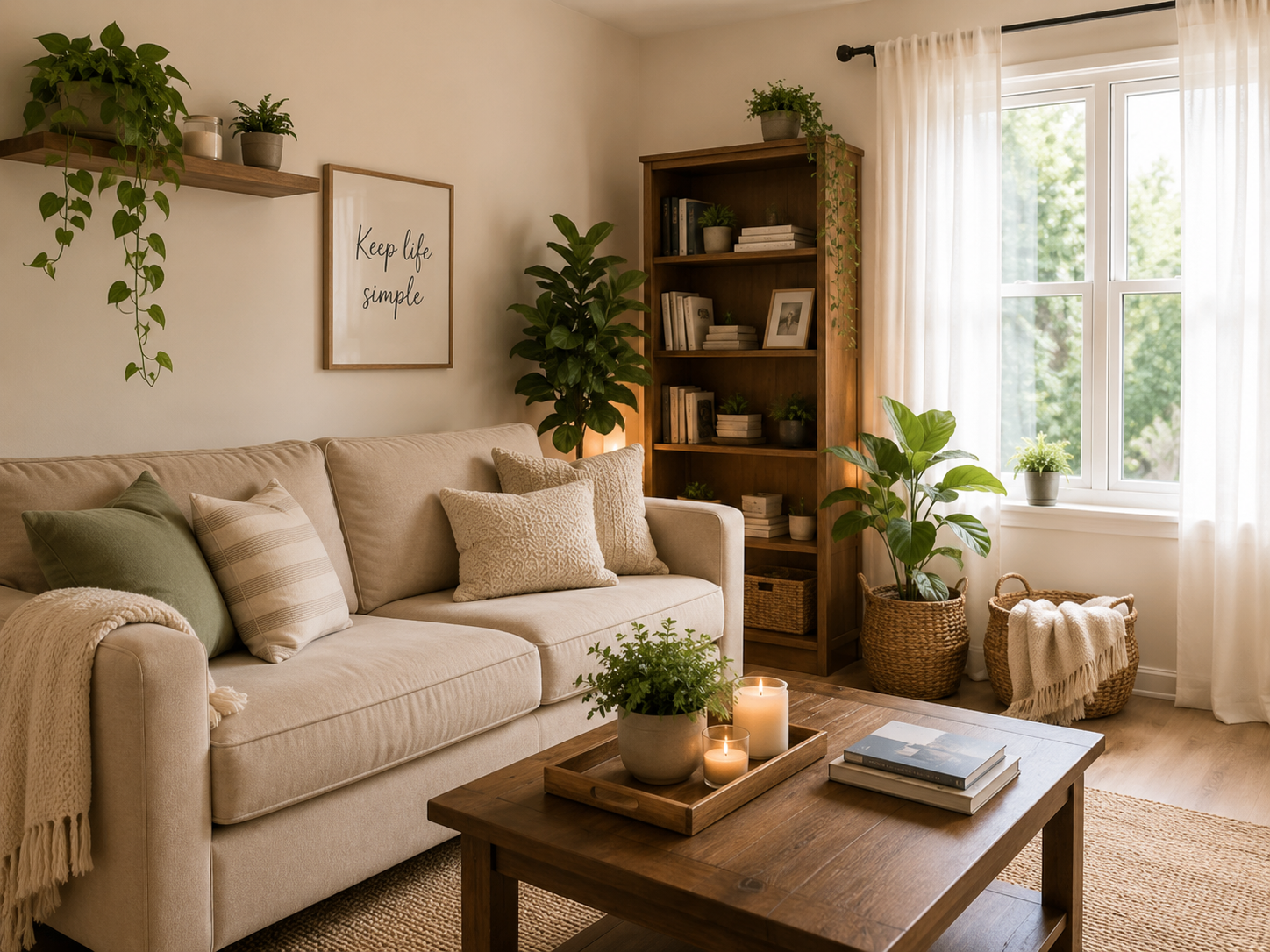
Furniture You Don't Really Need
When living space is limited, every piece of furniture should have a purpose. Over time, many homes accumulate extra chairs, tables, cabinets, and decorative pieces that are rarely used but continue to occupy valuable space. Some items carry sentimental value and hold important memories, making them difficult to part with. This challenge is especially common for families who have downsized from a larger home into a smaller one. The goal is not to eliminate meaningful possessions, but to evaluate whether each piece still serves your current lifestyle. By keeping furniture that is useful, comfortable, and appropriate for your space, you can create a room that feels more open, functional, and enjoyable to live in every day.
1. Start with Function
Ask:
Do I use this regularly?
Does it serve a purpose?
Is it taking up space needed for daily living?
Before deciding whether a piece of furniture should stay or go, consider how often it is actually used. Every item in a limited living space should contribute to daily comfort, function, or both. Ask yourself whether the furniture serves a purpose that supports your current lifestyle.
A chair that no one sits in, a table that collects clutter, or a cabinet that stores rarely used items may be taking up valuable space that could be used more effectively. This does not mean everything must be removed. Instead, focus on keeping furniture that provides genuine value and helps the room function better for everyday living.
2. The Challenge of Sentimental Furniture
Family heirlooms
Gifts from loved ones
Furniture from a previous home
The question becomes:
Can I honor the memory without keeping every item?
Some furniture is difficult to evaluate because it represents more than function. Family heirlooms, gifts from loved ones, and furniture from a previous home often carry memories that cannot be replaced. When space is limited, the challenge becomes finding a balance between honoring those memories and creating a comfortable living environment.
The question is not whether the memories are important. The question is whether every item needs to remain in the same room. In many cases, there are practical alternatives. An heirloom may fit better in another room, be placed in storage until more space is available, or be passed temporarily to a trusted family member. Photographs can also preserve the memory and story behind an item while reducing overcrowding. The goal is to respect the memory without allowing the space to become overwhelmed.
3. Downsizing Doesn't Mean Losing Memories
For families moving from:
larger homes
empty-nest situations
retirement downsizing
Moving from a larger home to a smaller one can be an emotional experience. Empty-nest families, retirees, and those choosing a simpler lifestyle often face difficult decisions about what to keep and what to let go.
While no object can fully replace the memories attached to it, memories themselves are not contained within furniture. Sharing treasured items with family members, preserving photographs, storing special pieces, or selectively selling items to support future goals are all ways to honor the past while making room for the present. Downsizing does not mean losing memories; it means deciding how those memories can best fit into the next chapter of life.
Focus on:
keeping the most meaningful pieces
displaying a few items well
avoiding overcrowding the new space
4. Create Room for Today's Life
A living room should support:
conversation
relaxation
family activities
safe movement through the room
If furniture prevents those things, it may be time to reconsider its place. However, removing an item does not always mean getting rid of it. There may be another location within the home where it can serve a useful purpose.
Take time to evaluate whether an item would function better in a different room. Consider convenience, frequency of use, and whether relocating it would create clutter elsewhere. Before moving larger pieces, measure the available space and think creatively about how the item might fit into your current lifestyle. Small adjustments can sometimes make a significant difference in how a room feels and functions.
5. Keep What Adds Value
When deciding what furniture to keep, focus on pieces that:
Are used regularly
Are loved and appreciated
Fit the available space
Contribute to comfort and function
Some items may not be negotiable because they serve an important purpose or hold special meaning for members of the household. In these situations, consider the needs of everyone who shares the space. Encourage family members to provide input and work together to determine the best placement for important items. A comfortable living space is one that supports the people who live there while balancing function, comfort, and personal meaning.
How to Make a Small Living Space Feel Larger
A small living space does not have to feel cramped or crowded. Simple changes in lighting, furniture placement, and organization can make a room feel more open and comfortable. Learn practical ways to create the feeling of more space without adding square footage
Simple Ways to Create a Comfortable and Functional Living Space
A comfortable and functional living space is not determined by the size of the room, but by how well it supports your daily life. Whether you live in a small apartment, a modest home, or a shared space, simple changes can make a significant difference. Thoughtful furniture choices, practical storage solutions, and reducing unnecessary clutter can help create a room that feels more open, welcoming, and easier to enjoy. The goal is not perfection—it is creating a space that provides comfort, serves your needs, and works better for the way you live every day.
Affordable Storage for Living Areas
When living space is limited, every square foot matters. The best storage solutions often serve more than one purpose, helping you stay organized without making a room feel crowded. Furniture with built-in storage, such as ottomans, benches, and coffee tables, can provide a place to sit while keeping everyday items neatly tucked away. Shelving placed in appropriate locations can take advantage of unused wall space, while corner storage units can transform overlooked areas into practical storage. The goal is to create a comfortable living space where organization, function, and daily living work together without sacrificing valuable floor space.
Choose Furniture That Works Harder
Look for:
Storage ottomans
Benches with hidden storage
Lift-top coffee tables
End tables with shelves or drawers
Ask:
Can this piece provide both comfort and storage.
Today's furniture is often designed to serve more than one purpose. An ottoman is no longer just a place to rest your feet; many include hidden storage for blankets, books, and everyday items. Benches, chairs, and sofas can also provide valuable storage solutions. Some couches even convert into beds, making them useful for overnight guests while helping save space during everyday living.
2. Use Vertical Space Wisely
When floor space is limited:
Wall shelves
Floating shelves
Tall bookcases
Storage towers
These solutions help keep items organized while preserving valuable walking space.
Shelves, bookcases, and storage towers are often the first choice when additional storage is needed. They make use of vertical space that might otherwise go unused. Whether used for organizing books, displaying decorative items, or storing everyday necessities, vertical storage can increase function without adding clutter to the room.
3. Don't Ignore Corners
Corners are often overlooked
Consider:
Corner shelving units
Corner cabinets
Corner display shelves
Small corner desks
These solutions can add storage without making a room feel crowded.
Corners are some of the most underutilized areas in a living space. A well-placed corner shelf, cabinet, or desk can transform an unused area into valuable storage or display space. Making better use of corners can often be the difference between a room that feels crowded and one that feels comfortable and organized.
4. Keep Frequently Used Items Accessible
Store:
blankets
books
games
remote controls
close to where they are used.
Hidden compartments, shelves, and storage drawers make it easier to keep frequently used items nearby without leaving them scattered throughout the room. When items have a designated place, they are easier to find, easier to put away, and less likely to contribute to clutter.
5. Avoid Overfilling the Room
Storage should solve a problem, not create another one.
A room with:
too many shelves
oversized cabinets
excessive storage bins
can quickly feel smaller than before.
When choosing storage solutions, focus on what you actually need rather than filling every available space. Measure carefully before purchasing furniture or storage pieces, and consider how they will fit into the room. The goal is to create a living space that feels comfortable, organized, and functional—not crowded with storage.
You may also find this helpful:
How to Make a Small Living Space Feel Larger→
Before spending money, take a careful look at what you already own.